
World Cup
Mexico and South Turn Up the Heat

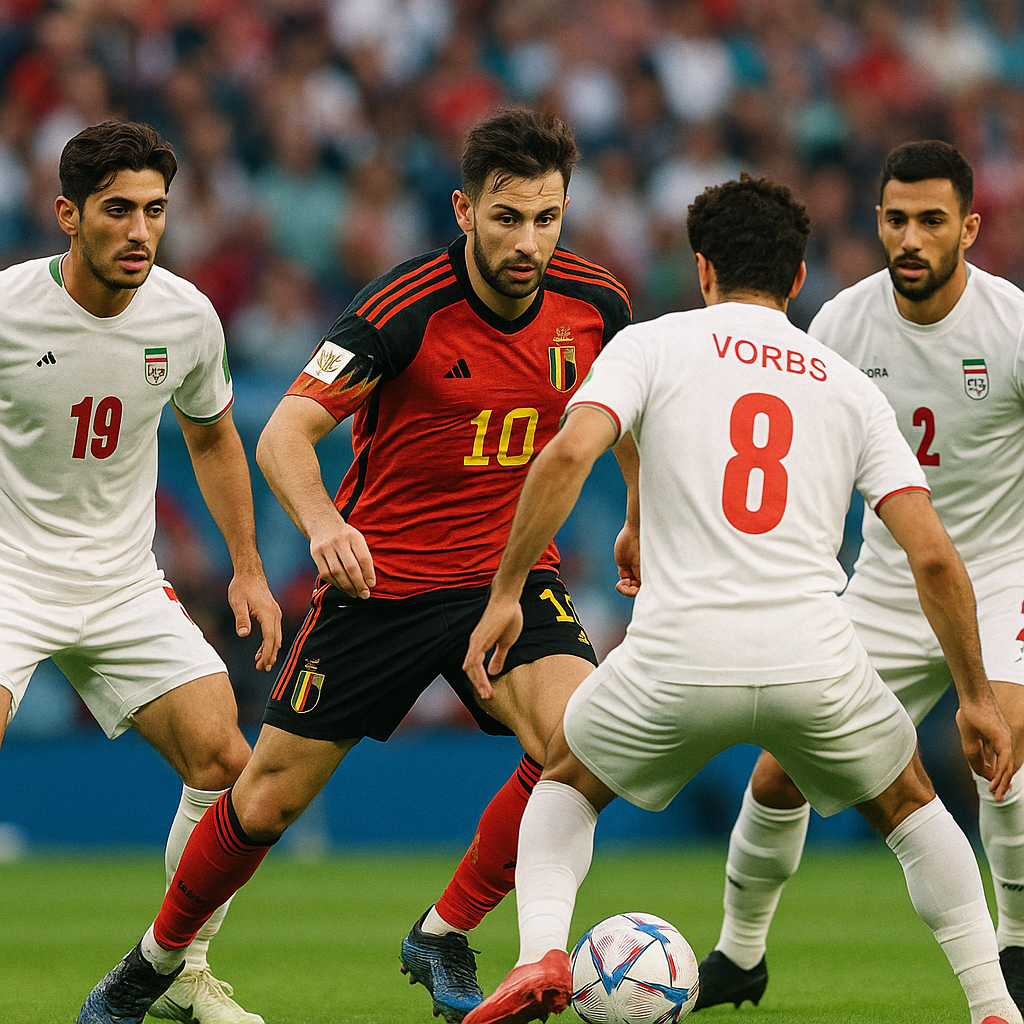
Mexico’s tactical resilience shapes expectations against South Africa
As Mexico prepares for its upcoming tournament stage, tactical structure and transitional fluency will define its competitiveness. Against South Africa, the challenge lies in translating established identity into consistent execution under pressure.
Mexico’s core strength remains a disciplined defensive organization that prioritizes spatial compactness through a four-man backline and dynamic midfield protection. This setup is designed to absorb early pressure and enable controlled build-up play. However, the key tactical tension emerges in the team’s capacity to transition smoothly from defense to attack—historically their most potent weapon, yet also a source of vulnerability if midfield coordination falters.
South Africa’s style, often marked by energetic pressing and a direct attacking approach, tests Mexico’s structural discipline. Mexico’s midfield trio must therefore balance defensive coverage with creative fluidity, enabling quick vertical passes without losing shape. The identity Mexico brings to this group stage hinges on their transition game, particularly how the wide midfielders engage in overloads and combine with the fullbacks to stretch spaces and destabilize compact defenses.
Mexico’s forward line complements this with versatile movement and a preference for quick, incisive link-up play rather than isolated individual runs. Effectiveness here depends on exploiting half-spaces and triggering defensive errors, but also on patience; Mexico’s pragmatic approach demands maintaining possession rather than forceful pressing when out of rhythm.
This balance between defensive rigidity and offensive patience outlines Mexico’s strategic blueprint. The team’s tournament outlook will depend less on flashy moments and more on maintaining collective discipline and tactical coherence under South African pressure. In essence, Mexico’s ability to enforce its transition-oriented identity will define whether they advance comfortably from group stages or face deeper tactical scrutiny.
A measured, structure-first Mexico could leverage its tactical framework into a competitive advantage—but only if execution aligns with intent under the intensity of high-stakes matches.