
World Cup
The Netherlands vs Japan encounter in Group F of the 2026 FIFA World Cup ended in a 2-2 stalemate, a result

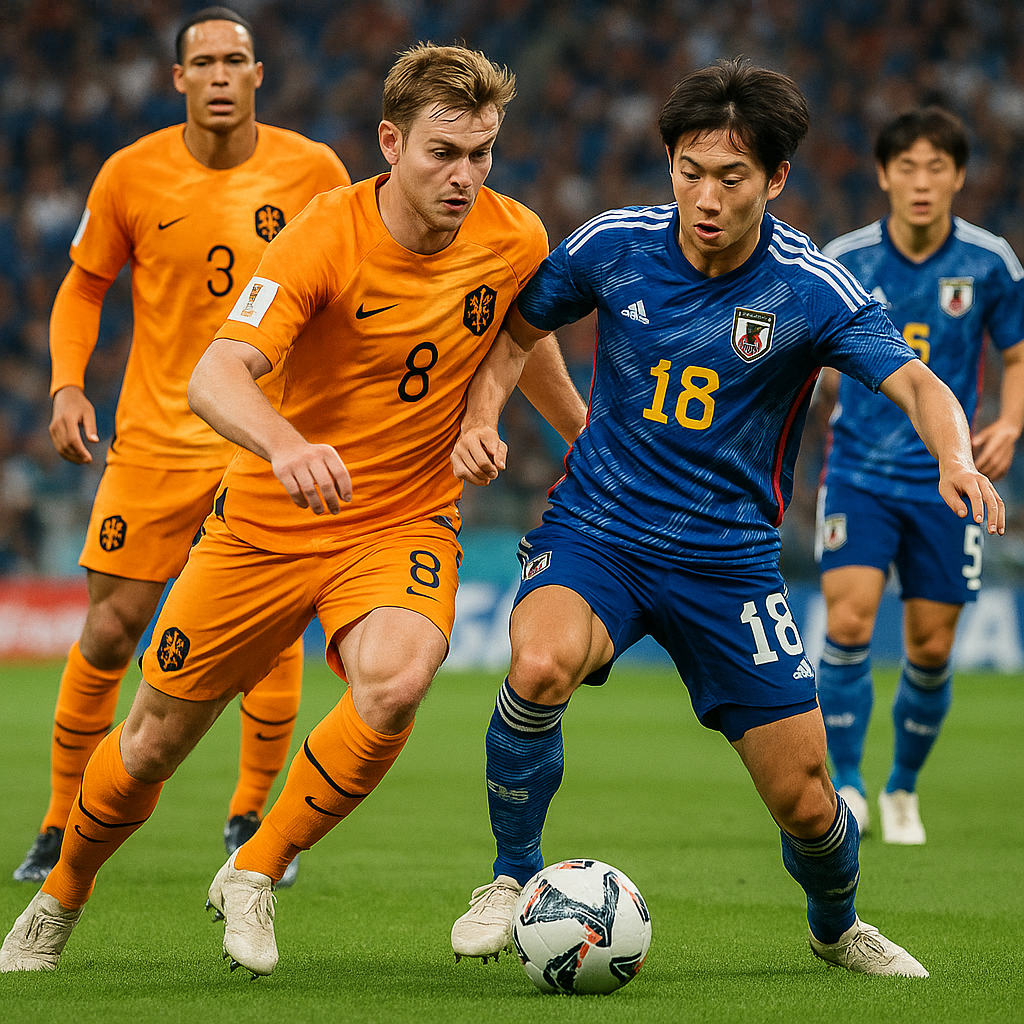
The Netherlands vs Japan encounter in Group F of the 2026 FIFA World Cup ended in a 2-2 stalemate, a result that speaks volumes when dissecting the tactical dynamics and group equilibrium. On paper, this scoreline suggests a balance between the two sides, but beneath the surface lies a deeper interplay of strategic stances, transitional moments, and psychological momentum shifts that defined the contest.
From the outset, the Netherlands sought to impose structured dominance, leaning on positional fluidity within their 4-3-3 framework. Their approach aimed at controlling possession in Japan’s half, probing for overloads on the flanks to destabilise Japan’s compact defensive shape. However, Japan’s disciplined defensive blocks and rapid counterattacks effectively nullified these efforts. Their typical organisation demonstrated acute spatial awareness, with midfielders dropping intelligently to form a layered shield that slowed Dutch progression and generated quick outlet passes.
The two goals apiece reveal a pattern of intermittent Dutch vulnerability amid controlled aggression. The Netherlands’ goals likely arose from coherent build-up play and exploiting moments where Japan’s defensive lines stretched. Conversely, Japan’s strikes must have capitalised on transitional lapses—precisely the moments when the Dutch midfield shifted from attack to defence with less cohesion. This suggests a recurring vulnerability on the Netherlands’ right side or during moments of resetting shape post-possession loss.
Discipline and composure were pivotal. Although explicit card data is unavailable, the even scoreline and the match’s standing in a group stage context point towards a contest managed with measured aggression. Neither side appeared to overcommit unduly, which is vital in the group’s early phase to safeguard against detrimental suspensions ahead of subsequent matches involving Sweden and Tunisia.
Regarding the Group F implications, two points shared here keep the Netherlands’ qualification prospects cautiously optimistic but underscore the necessity for tactical adjustments. Japan’s resilience enhances their reputation as group disruptors, complicating what might have been a straightforward Dutch progression. This draw serves as a tactical barometer—highlighting the Netherlands’ need to shore up transitional defence while continuing to refine offensive penetration against compact units.
In sum, this 2-2 draw encapsulates a tactical chess match where patience, structural discipline, and transitional control held as much currency as pure attacking intent. The Netherlands must now translate these insights into sharper execution if they are to navigate the intricate terrain of Group F.