World Cup
Can Japan and Sweden Sustain This Start
Japan and Sweden share points in measured Group F stalemate
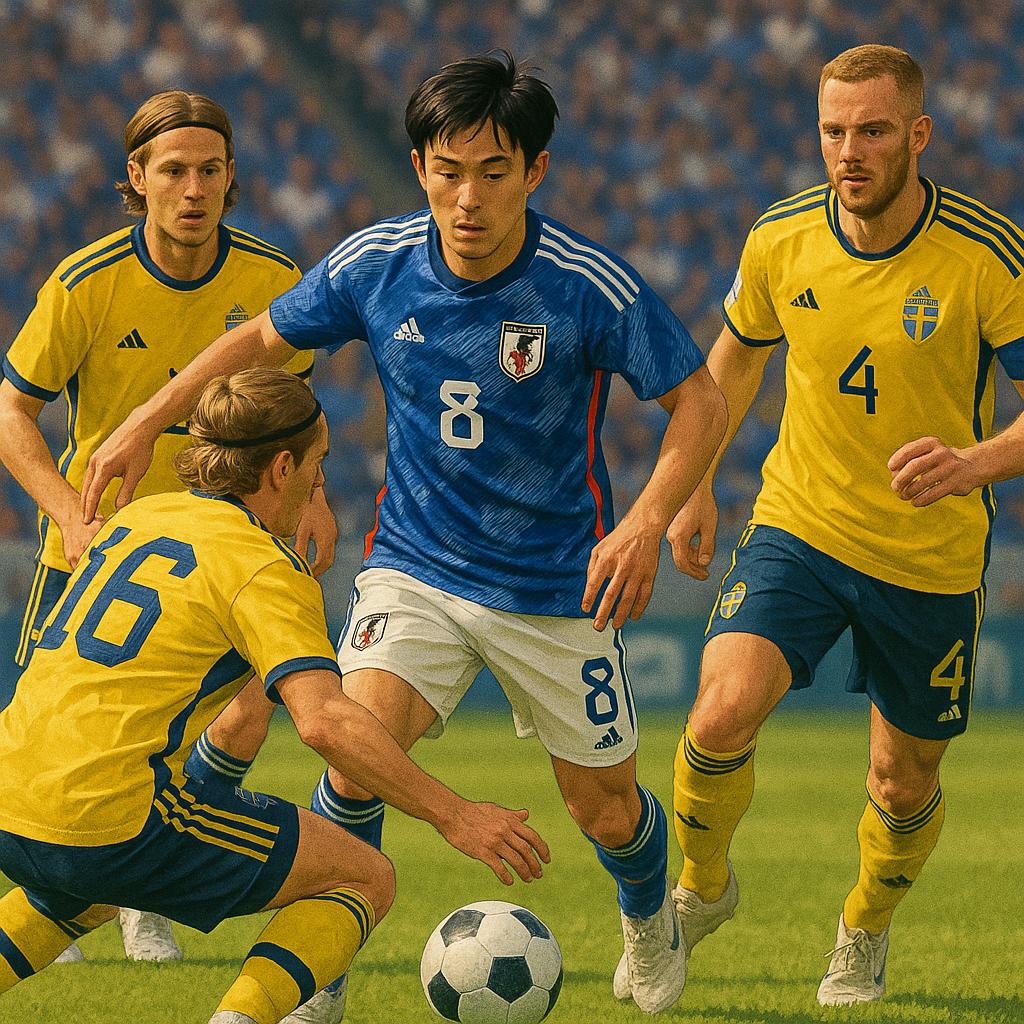
A 1-1 draw in Nagoya kept Group F tight, neither side breaking free atop the table. The match balanced on shape and discipline, with Sweden’s structured approach meeting Japan’s patient, technical style.
From the outset, the central tension was clear: could Sweden impose their trademark organisation against Japan’s fluid triangle midfield and quick passing? Sweden stuck to a rigid defensive block, prioritising spacing to cut Japan’s passing lanes. Their disciplined shape limited Japan’s ability to dominate the middle third, forcing wider play and reducing clear-cut chances. The Swedes showed no rush in transition, consistent with a plan to frustrate rather than dismantle.
Japan, meanwhile, probed steadily but lacked the incisiveness to fully exploit the fewer gaps available. Their build-up was methodical, relying on technical control and positional rotations. However, Sweden’s spatial discipline prevented any sustained pressure inside the box. The equaliser arrived from a balanced collective phase rather than individual brilliance, underscoring the match’s theme.
Key to maintaining parity was Sweden’s organisation on both sides of the ball—minimising risk in defence and maintaining vertical compactness to manage counterattacks. Yet, the rigidity also limited their offensive threat, as Japan managed to wrestle possession repeatedly, forcing Sweden to absorb pressure without falling apart.
This result reflects wider group dynamics. Both Japan and Sweden added a point and kept goal difference neutral, meaning progression hinges on maintaining this structural discipline against tougher Group F rivals ahead. Neither showed the ability to decisively shift momentum, but both demonstrated they can execute a disciplined game plan under pressure.
Ultimately, the draw sets a cautious but solid base. Sweden’s focus on shape and spacing held firm against Japan’s technical patience, highlighting the enduring value of tactical discipline in high-stakes tournament challenges.