
World Cup
Sweden enters World Cup Group F as a side defined by its structure rather than star power
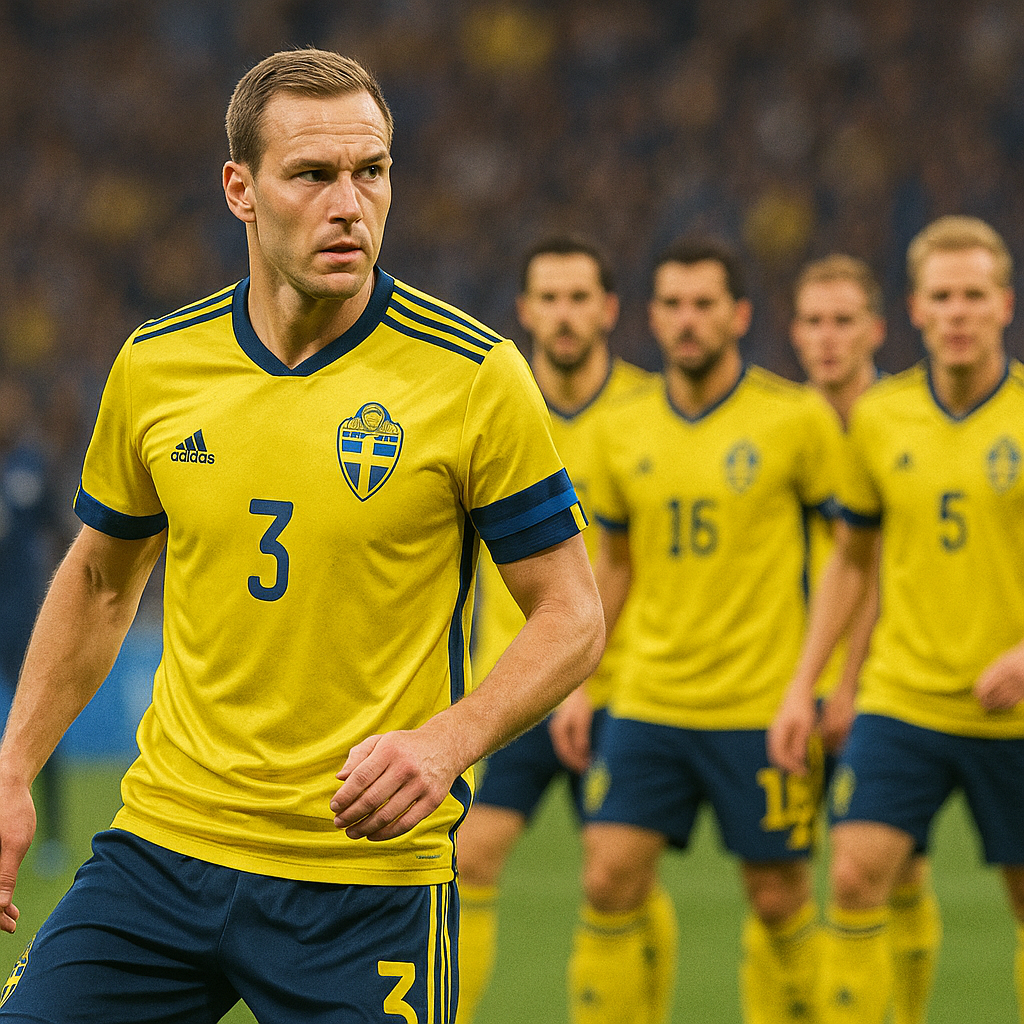
Sweden enters World Cup Group F as a side defined by its structure rather than star power. Their tournament identity leans heavily on disciplined shape, solid spacing, and collective resilience. Historical performances in major championships underline this method: Sweden rarely impresses with flair but consistently frustrates opponents through organisation and work ethic.
Tactically, Sweden prefers a compact back line, often lined with experienced defenders who keep the defensive blocks tight. This restricts space between lines, forcing opponents wide or into difficult passing lanes. Midfield support is disciplined; players do not stray from their roles. This low-risk approach limits Sweden’s vulnerability to quick counterattacks, a known weakness in nations with less defensive discipline.
Offensively, Sweden’s game plan depends on efficient transitions. The team’s shape allows quick movement into wide areas, capitalising on strong wingers and fullbacks pushing high. However, they rely on limited creative outlets, favouring directness over possession retention. This pragmatic tactic implies that Sweden will likely absorb pressure and seek moments to counter rather than control games.
The team’s rhythm centres on maintaining balance between defence and attack, avoiding structural collapse that often occurs in high-stakes matches. Key to their success is how well they manage spacing, especially against technically superior opponents in Group F. Overcommitting players forward risks leaving gaps that can be exploited.
Expect Sweden to focus on maintaining shape and discipline across the group stage. Their chances hinge on resilience and capitalising on set pieces, where physicality plays an edge. While not overwhelming favourites, they embody Scandinavian steadiness—hard to break down, difficult to beat when structure is intact.
Ultimately, Sweden is a team less about flair and more about function. Their World Cup outlook may not spark headlines, but their tactical reliability is a clear advantage in a group where control and caution will often decide results.