
World Cup
Tunisia enters Group F with a clear tactical identity built around structure and discipline—two pillars that
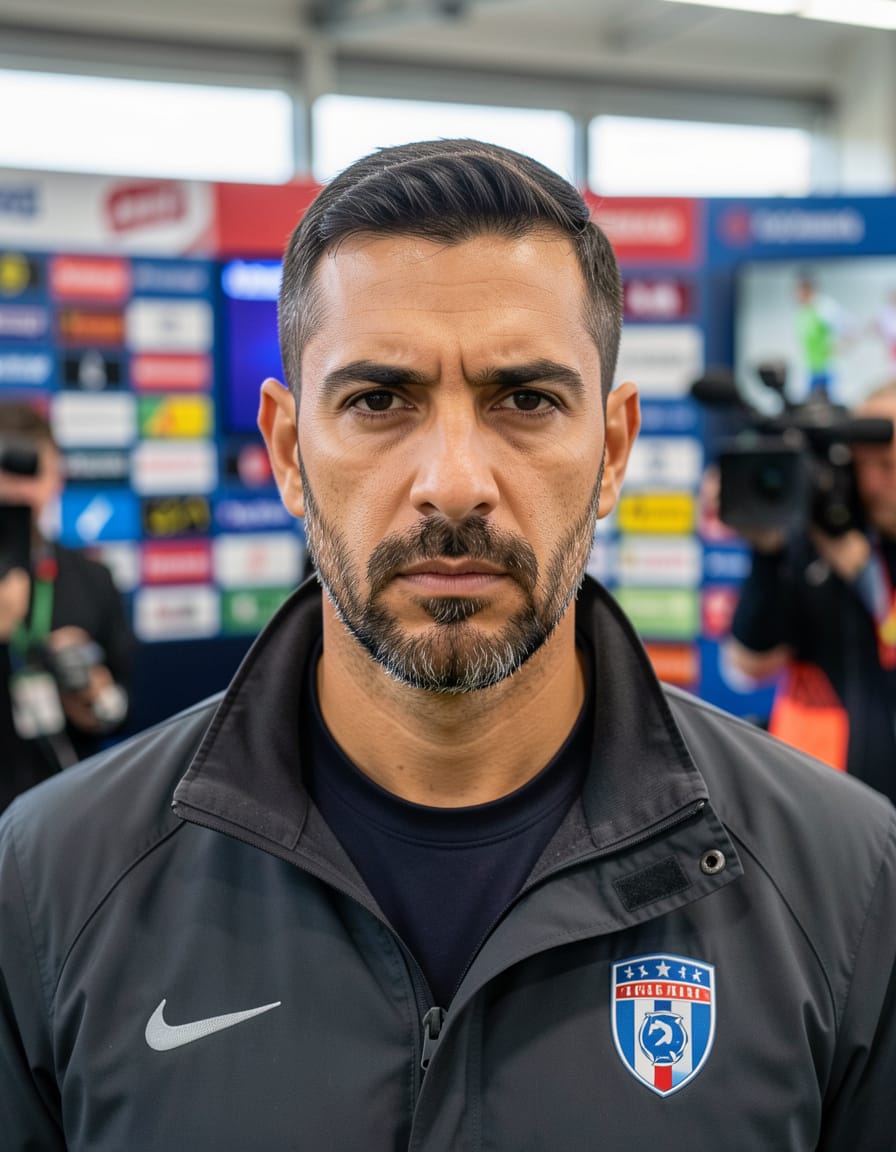
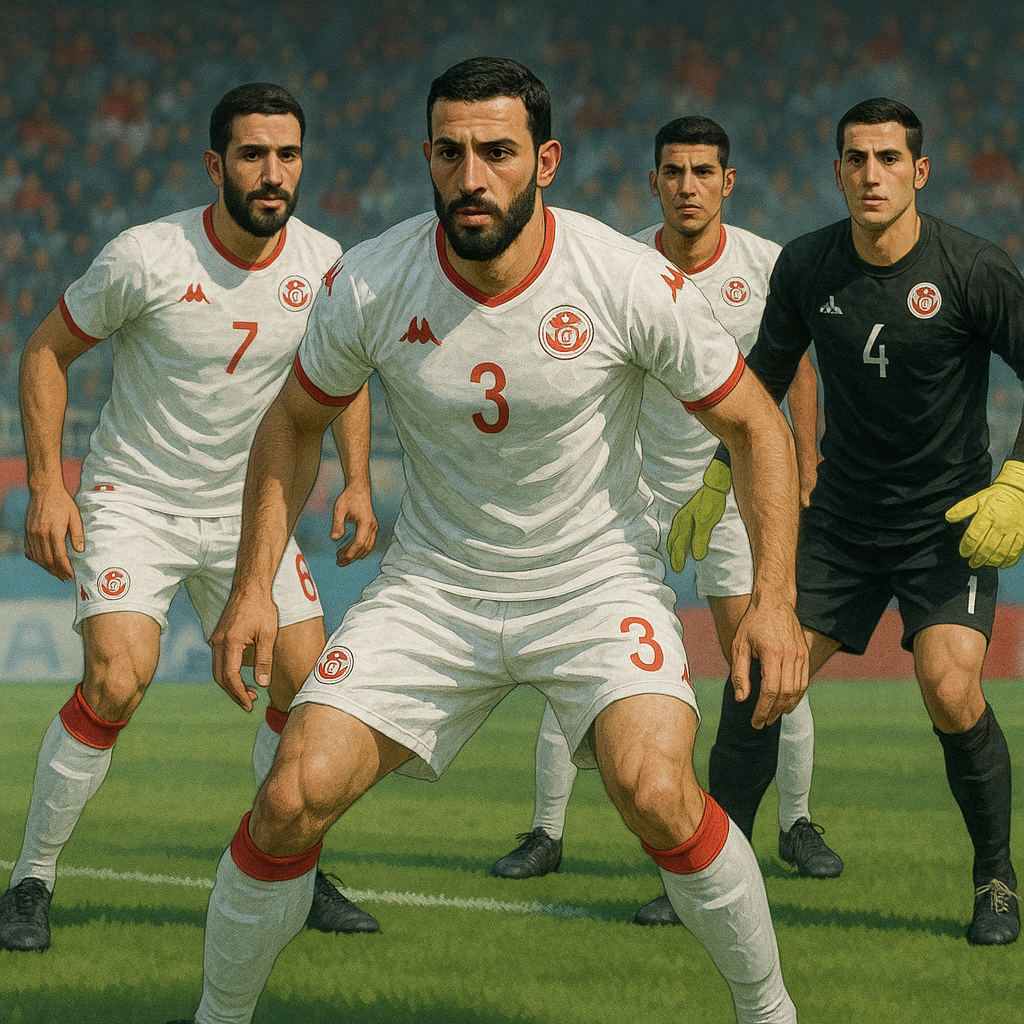
Tunisia enters Group F with a clear tactical identity built around structure and discipline—two pillars that have defined their international performances in recent years. At the World Cup level, where individual moments of brilliance often tilt matches, Tunisia’s strength lies not in star power but in a collective resilience that frustrates opponents and forces mistakes.
The cornerstone of Tunisia’s approach will be their defensive organization. Expect a compact 4-3-3 shape that contracts quickly when out of possession, limiting the space between lines. The midfield trio will likely serve as the team’s engine room, balancing defensive duties with intelligent pressing triggers. Their role is less about aggressive ball-winning and more about maintaining positional integrity to block passing lanes, especially against technically gifted opposition.
Transitions will be another focal point. Tunisia’s structure is designed to absorb pressure and spring swift counterattacks along the flanks. Fullbacks play a key role here; disciplined in defense but quick to burst forward once the ball is won. The wide forwards, meanwhile, must be patient hunters—waiting to exploit pockets of space left by overcommitted defenders. This means Tunisia’s chances will mostly come from low-probability moments rather than sustained possession.
One tactical theme worth highlighting is how Tunisia manages the balance between defensive compactness and offensive support. Overcommitting risks leaving their backline vulnerable to quick interchanges—something Group F opponents are well equipped to exploit. Yet overly cautious play could invite relentless pressure, especially against technically superior teams.
Ultimately, Tunisia’s path to opportunity in this group will depend on unwavering discipline in structure and disciplined execution of transition moments. Without these, they risk being overwhelmed. But with them, Tunisia can punch above their weight. Discipline creates opportunity, and Tunisia’s tactical blueprint is a lesson in pragmatic survival tuned for the unforgiving World Cup stage.