World Cup
Sweden versus Tunisia in Group F of the upcoming 2026 FIFA World Cup presents a compelling tactical contest

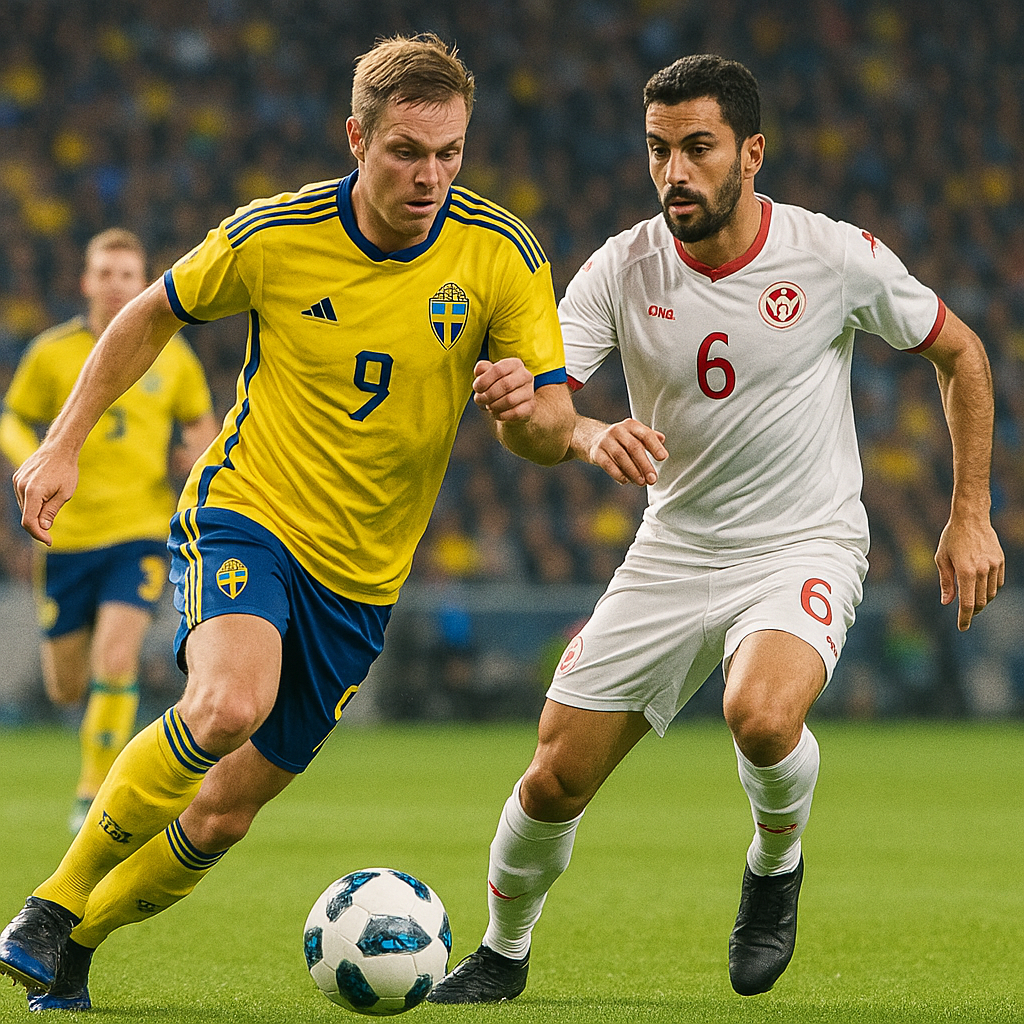
Sweden versus Tunisia in Group F of the upcoming 2026 FIFA World Cup presents a compelling tactical contest with real implications for both squads’ progression from the group stage.
Sweden, hosting this fixture, brings a pragmatic and structurally sound approach typical of Scandinavian teams. Historically reliant on disciplined defensive organisation paired with direct transitions, the Swedish team’s key strength lies in maintaining shape and exploiting set-piece opportunities and quick breaks. Their approach is not about dazzling flair but minimizing errors, controlling tempo, and capitalizing on opponent weaknesses. Analyzing their recent qualifiers, Sweden’s defensive line often sits compact with a back four or five, seeking to frustrate opponents with zonal marking and rapid defensive recovery. Against Tunisia, they will likely emphasise positional rigidity to counterbalance Tunisia’s more fluid attacking intent.
Tunisia, by contrast, offer a more dynamic and adaptive style drawn from African and Mediterranean influences, combining technical ball control with swift counterattacks. Though details on specific squad selection are unavailable, Tunisia’s past World Cup performances reveal a propensity for flexible formations—shifting between a 4-2-3-1 to a more congested midfield five to overload central areas and press aggressively. Their potential to disrupt Sweden’s structured build-up lies in exploiting transitional moments—forcing turnovers high up the pitch and converting these into quick penetrations behind the Swedish defensive block.
The tactical narrative of this matchup will pivot on Sweden’s ability to suppress Tunisia’s rhythmic possession and pressing, while Tunisia’s success hinges on unsettling Swedish positional discipline and leveraging speed in transition. Both sides have clear methods, but the nuance will be in execution under World Cup pressure—where marginal decisions and spatial management prove decisive.
Ultimately, this clash is less about individual brilliance and more about systemic integrity: Sweden’s rigid organisation versus Tunisia’s tactical elasticity. Observing who manages tempo and space better will be critical to predicting the outcome in this opening Group F encounter.