
World Cup
Group E: Germany and Ivory Under Pressure

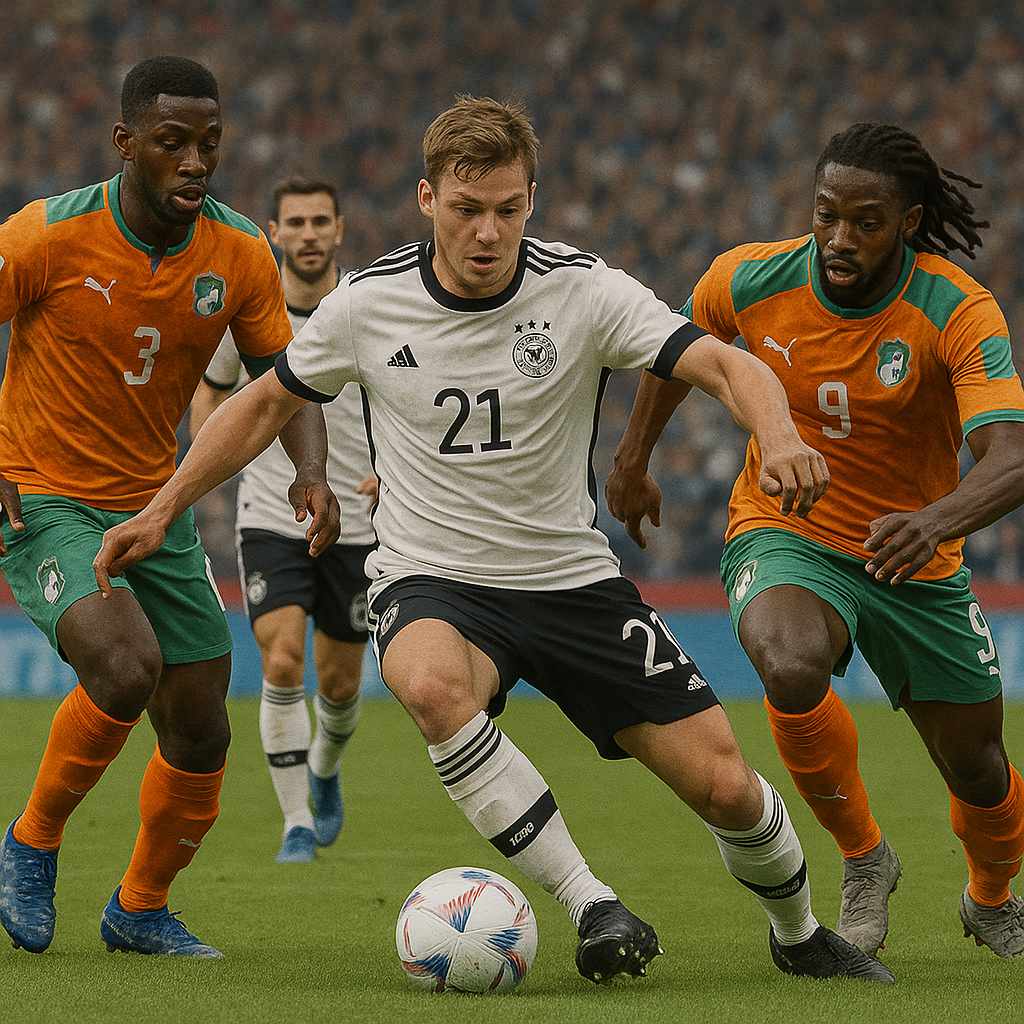
Germany’s structural coherence faces a classic test against Ivory Coast’s physical dynamism
The opening Group E clash at the 2026 FIFA World Cup between Germany and Ivory Coast will expose fundamental tactical contrasts, highlighting Germany’s need to fine-tune transitions and squad depth against a physically robust opponent. Precision in the German game plan will be decisive in navigating early tournament pressures.
Germany enters as the host team with high expectations, yet their true challenge lies beyond individual talent. At this stage, the team’s ability to maintain positional discipline during phase changes—particularly the shift from possession to pressing and counter-pressing structures—will define their control over the match tempo. Germany’s traditional strength is an organised defensive block coupled with swift, purposeful ball circulation through central lanes. However, the margin for error tightens when facing Ivory Coast, whose approach typically revolves around accelerated transitions and direct attacking patterns.
This contrast matters because Germany’s structure is dependent on a reliable midfield pivot to link defense and attack seamlessly. Fragmentation here invites disruption, allowing Ivory Coast’s forwards to exploit gaps with pace. Furthermore, Germany’s defensive line must be wary of mismatches caused by the Ivorian side’s athleticism, especially in wide areas where transitional overloads could occur. The key shift for Germany will be balancing pressing intensity without sacrificing mechanical coherence, avoiding costly positional errors that have historically undermined similar setups.
Meanwhile, depth and rotation could influence outcomes as well, since group-stage fixtures demand physical resilience. Germany’s squad management will need to sustain energy levels and tactical sharpness, particularly if fallback positions require quick rearrangements under pressure. Ivory Coast, possessing a leaner squad traditionally adapted to combating European technical play, might capitalize on any lapse in German pressing rhythms or delayed defensive recoveries.
Ultimately, this match underscores Germany’s ongoing reconciliation of methodical structure with adaptability. Success hinges not simply on possession metrics but on calibrated timing in transitions and exploiting tactical rationality. Against Ivory Coast’s forceful directness, Germany must avoid overexposure and demonstrate strategic patience—a hallmark of their World Cup campaigns past that still applies here.