
World Cup
Group B: Canada and Controlled Under Pressure

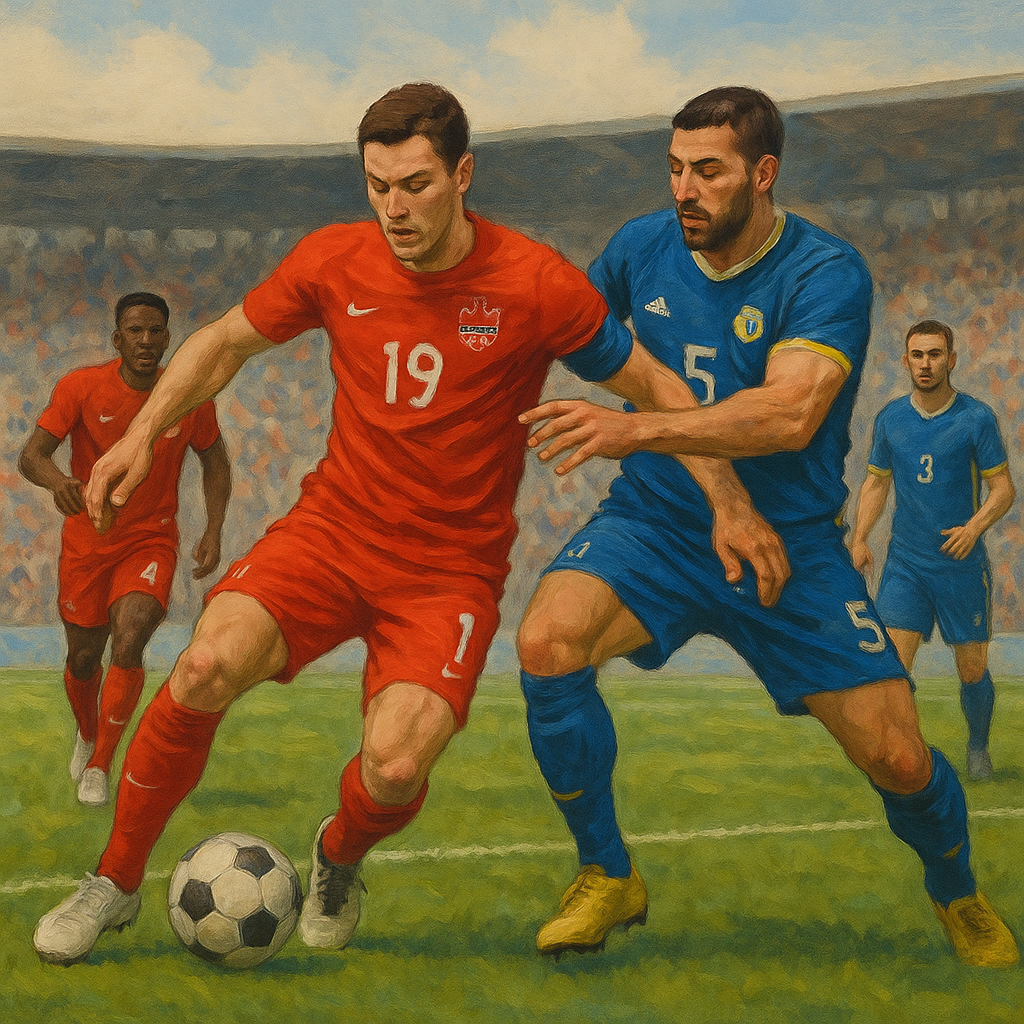
Canada’s Controlled Draw Highlights Group B’s Early Tactical Gridlock
A 1-1 stalemate between Canada and Bosnia-Herzegovina in the opening Group B fixture of the 2026 World Cup underscored a familiar tension: solid defensive organisation met measured attacking intent, producing a match balanced on structural discipline rather than moments of flair. This result leaves both teams sharing points but also grappling with the challenge of breaking through well-coordinated opposition systems in a tight group.
From the outset, Canada’s approach was carefully calibrated to maintain shape in possession and avoid rash transitions. Defensively compact, Canada focused on reducing Bosnia-Herzegovina’s influence in central channels, forcing their opponent to attempt lower-probability wide deliveries and long-range efforts. This tactical restraint, while preserving defensive solidity, came at the expense of sustained offensive pressure. Canada’s build-up was methodical, relying heavily on positional discipline rather than risk-taking to carve openings. The 1-1 score reflects a match where transitional moments between defence and attack were crucial but generally well-managed by Canada, preventing Bosnia from capitalizing on quick counters.
Meanwhile, Bosnia-Herzegovina demonstrated their own structural resilience. Their midfield lines often congested Canada’s passing lanes, limiting clear positional progression and forcing Canada into lateral ball circulation. However, their inability to fully dominate possession prevented them from pressing a genuine advantage. This mutual containment reflects a tactical stalemate, with both sides prioritizing balance and risk management ahead of all-out aggression.
Discipline appeared generally sound, with no substantive reports of cards disrupting the flow or forcing adjustments. This steady control allowed the match to unfold as a nuanced tactical duel rather than a physical battle, highlighting the teams’ strategic preparations over emotional volatility.
In terms of Group B implications, this draw maintains the status quo; both Canada and Bosnia enter the competition with points but without goal difference advantage. The outcome sets a deliberate tone moving forward, signaling that breaking this tactical equilibrium will be key for either side to advance. Canada’s pragmatic execution—marked by structural cohesion and cautious transition management—provides a stable foundation, but also poses clear questions about elevating offensive creativity to convert such disciplined performances into outright wins.