
World Cup
England and Ghana Turn Up the Heat

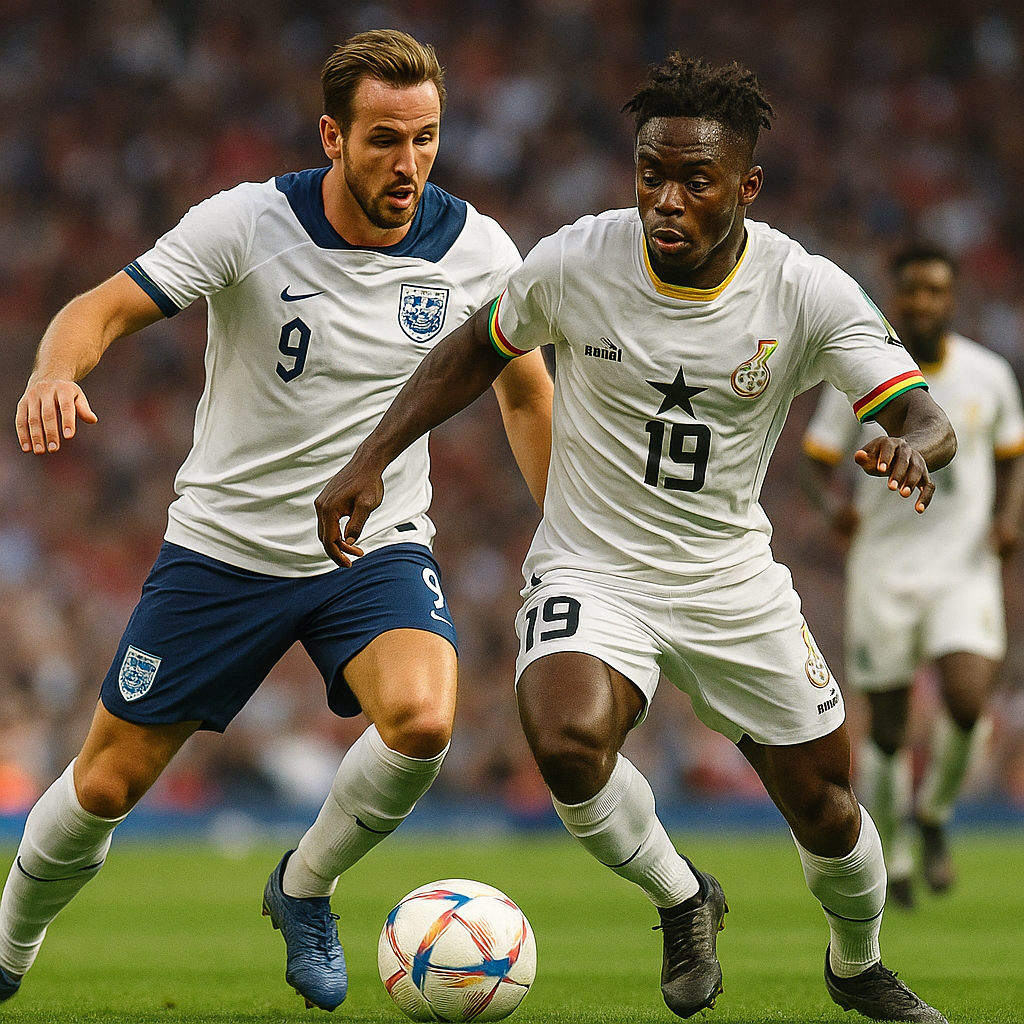
England’s structural test against Ghana in Group L
This World Cup group stage encounter probes England’s ability to impose a coherent tactical framework against a disciplined and physically robust Ghana. The key question is how England will manage their transitional phases while neutralizing Ghana’s counterattack potency under the tournament spotlight.
England enter this match with expectations of tactical control, a hallmark of their recent international campaigns. The squad has demonstrated a propensity to build play through structured possession, orchestrated from a midfield pivot that balances defensive cover with progressive passing. However, their effectiveness in maintaining this structure will be challenged by Ghana’s reputation for swift transitions and direct, high-intensity pressure once possession is regained. Ghana has consistently exploited gaps between opposition defensive lines by committing numbers forward in rapid breaks, stressing England’s ability to reorganize defensively.
Central to England’s approach will be their capacity to manage spatial discipline, particularly between the lines. The task involves maintaining a compact block to limit Ghana’s vertical passing lanes while ensuring sufficient width for progressive outlet options. England’s full-backs will face the dual responsibility of supporting flank overloads and tracking Ghana’s wide runners, a balance seldom achieved without defensive compromise. The midfield’s role in screening and intercepting will be pivotal to cutting off supply routes that facilitate Ghana’s transitions.
Moreover, the key shift to monitor is England’s transition from possession to pressing. Aggressive immediate pressing after losing the ball can mitigate Ghana’s counterattack threat; yet this demands coordinated high-intensity actions that risk exposing gaps if mistimed. The effectiveness of this pressing trigger will likely dictate the match’s tempo and control.
Ultimately, England’s success hinges on preserving their structural integrity under physical and tactical pressure. Failure to contain Ghana’s transitions could fracture their defensive organisation, while disciplined execution could shape a dominant performance. This game serves as a critical barometer for England’s adaptability and resilience in a group that pairs them against contrasting playing styles.