
World Cup
Ghana and England Turn Up the Heat

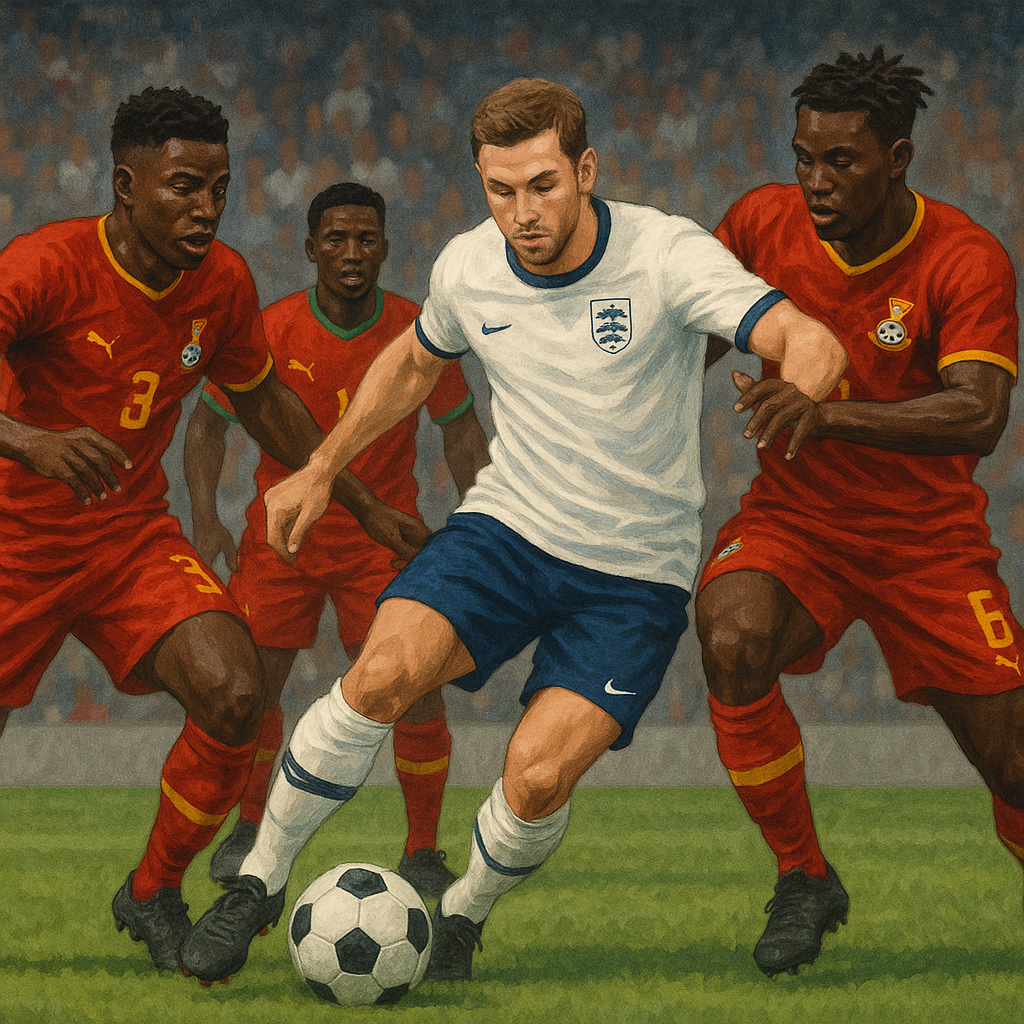
A tactical stalemate exposes Ghana’s disciplined resilience against England
Ghana’s 0-0 draw with England in Group L of the 2026 World Cup underscored a match defined less by flair and more by structural discipline. Both teams left the pitch with a single point, but the stalemate revealed sharp contrasts in approach and tactical execution that could influence their group campaign moving forward.
The central question was whether Ghana’s traditionally aggressive counterattacking identity could disrupt England’s methodical possession style. Ghana answered with remarkable defensive organisation, effectively blunting England's attempts to penetrate through central channels. Their compact shape in midfield and double-layered defensive block forced England wide, limiting clear scoring opportunities. Meanwhile, Ghana’s transitions remained cautious, avoiding unnecessary risk against a side known for clinical finishing.
England’s possession dominance did not translate into clear chances, largely because of Ghana’s rigid midfield pressing and disciplined tracking of runs. The key shift came in phases where Ghana’s players delayed the English buildup, forcing turnovers or rushed crosses. That constraint prevented England from establishing the fluid attacking combinations necessary to break down Ghana’s back four.
Crucially, the draw holds different tactical implications for both sides. For Ghana, the point validates a cautious but effective game plan that prioritised defensive solidity over offensive ambition in a hostile venue. It positions Ghana as a team difficult to dismantle, an asset in a group that includes Croatia and Panama. For England, the result signals a need to re-evaluate attacking patterns, especially their ability to convert possession into high-quality chances against compact opponents.
Discipline on both sides was notable, with no reported cards disrupting tempo or rhythm. This tactical patience ensured a measured game, preserving physical resources for subsequent fixtures.
In conclusion, Ghana’s ability to neutralise England’s structured possession game without conceding marks a significant achievement. While lacking offensive breakthroughs, Ghana demonstrated controlled resilience and tactical maturity—a platform to build on as the group stage progresses. The stalemate invites a broader discourse on tactical balance and adaptability in this World Cup’s evolving narrative.