
World Cup
Belgium and Senegal Turn Up the Heat
Belgium vs Senegal: Tactical Balancing Act at the World Cup Last 32
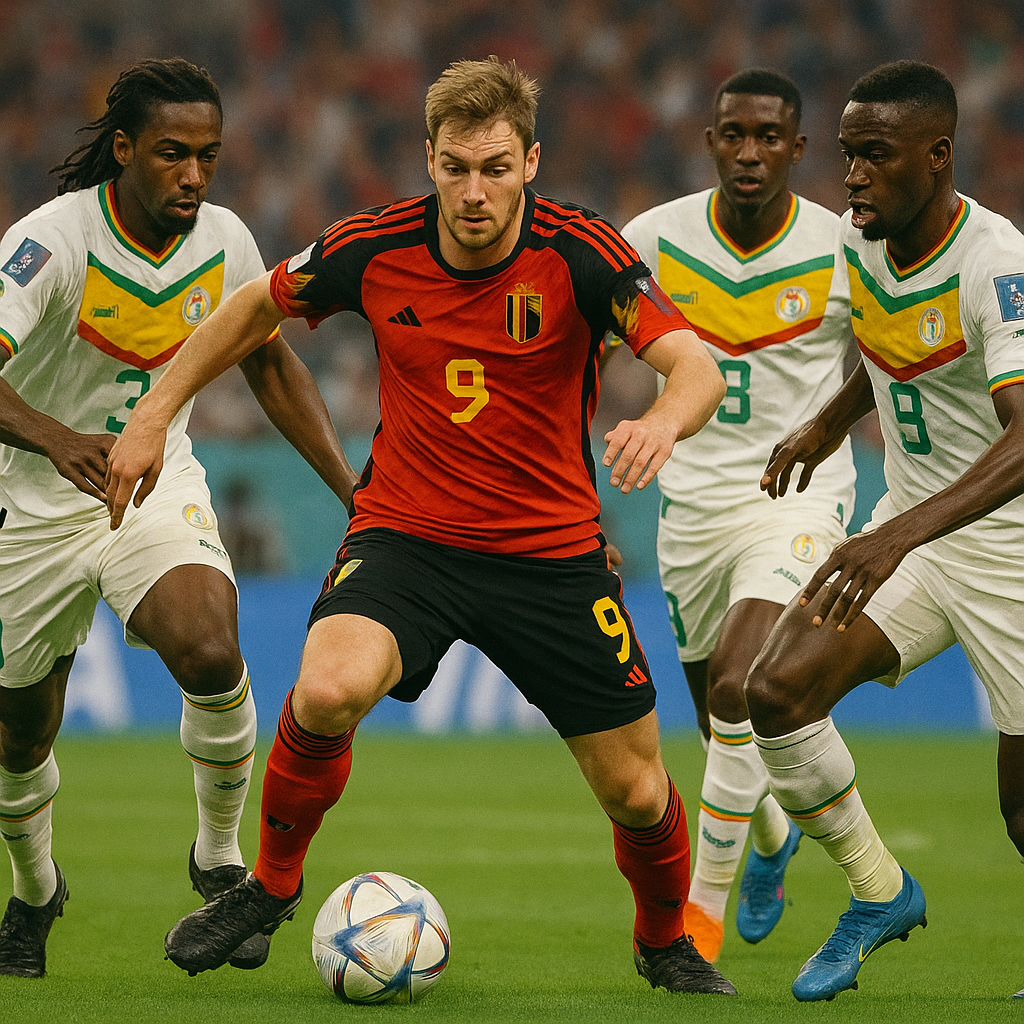
This Round of 32 fixture delivers a compelling contrast between Belgium’s possession-based style and Senegal’s pragmatic, transition-driven approach. How each side imposes its tactical identity will be decisive in determining who advances in this tightly poised encounter.
Belgium enters the match with a traditional European blueprint marked by controlled possession, patient buildup, and methodical overloads in midfield. Their structure favors ball circulation aimed at destabilizing compact defensive blocks. However, this approach carries risk against Senegal’s disciplined defensive organisation and rapid counterattacks. The question is whether Belgium can break through a well-drilled defensive line without conceding vulnerable space on the break.
Senegal, on the other hand, operates with defined defensive compactness and sharp vertical transitions. Their effectiveness lies in cutting passing lanes and forcing the opposition wide, creating chances to exploit spaces behind Belgium’s advanced full-backs. This tactical setup demands high concentration in defensive phases and precise timing in forward bursts. Senegal’s threat grows if they can sustain intensity and avoid being overrun in midfield control zones. The key shift may come from Senegal’s ability to disrupt Belgium’s rhythm and convert turnovers into rapid, incisive attacks.
Meanwhile, Belgium must balance offensive creativity with defensive vigilance. Any complacency in transition leaves them exposed to swift Senegalese counters, especially given their reliance on pushing full-backs high up the pitch. The defensive midfield tether’s capacity to shield and recycle possession will be crucial to prevent Senegal’s counterpress.
Ultimately, Belgium vs Senegal is as much a battle of identity as it is of individual quality. The clash will hinge on the balance between Belgium’s possession dominance and Senegal’s transition precision. Whichever team better manages structural discipline and the pace of transitions will have the upper hand in progressing beyond this knockout stage.