
World Cup
Senegal and Norway Turn Up the Heat

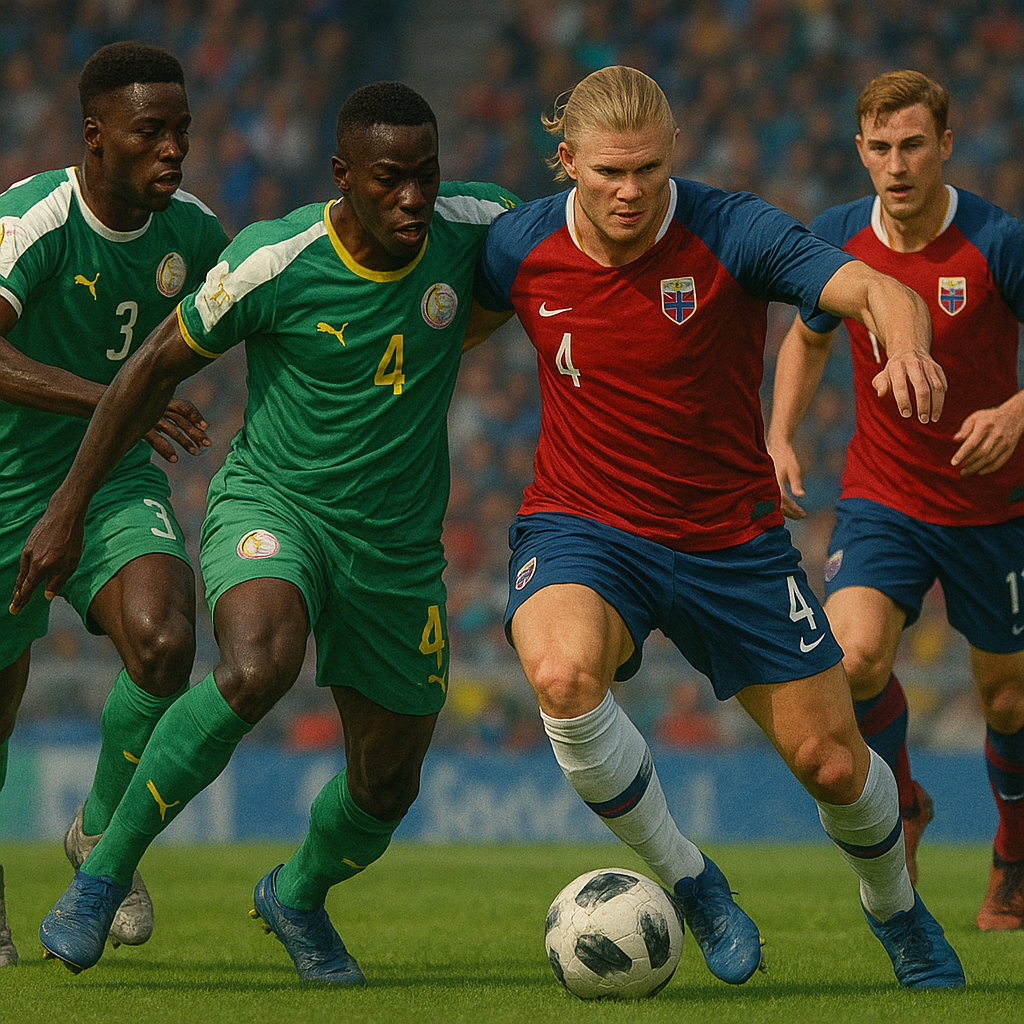
Senegal’s defensive lapses cost dearly in narrow Norway defeat
This tightly contested match exposed critical vulnerabilities in Senegal’s defensive structure, undermining their ability to secure points against a direct group rival.
The central tension lay in Senegal’s inability to contain Norway’s transition moments, particularly on defensive shifts after losing possession. Norway’s three goals reflected a series of well-executed counterattacks and positional exploitation, elements Senegal struggled to mitigate. Offensively, Senegal remained competitive, matching Norway’s intensity and finishing with two goals, but defensive instability skewed the balance irreversibly.
Examining the tactical phases, Senegal’s transitional organization faltered repeatedly. After pressing high or losing the ball near midfield, their rearguard displayed hesitation and spatial gaps. Norway capitalized on these weaknesses with quick vertical passes and dynamic runs between lines. This exposed Senegal’s defensive line to one-on-one situations and delayed recovery runs, allowing Norway to consistently find scoring opportunities. Meanwhile, Senegal’s attack relied heavily on individual efforts rather than cohesive build-up play, limiting sustained pressure.
This breakdown is consequential beyond this single result. Confidence in defensive resilience—which is often a bedrock for tournament endurance—has been undermined. At this level, discipline in shape and transitions determines survival; Senegal’s next matches will demand urgent tactical recalibration, especially in defensive coordination and minimizing transition vulnerabilities.
In conclusion, while Senegal showed fighting qualities and offensive capability, their defensive frailties against Norway proved decisive. The narrow 3-2 loss is a timely, if harsh, reminder that structural discipline remains non-negotiable at the World Cup stage. Senegal must address these lapses swiftly to keep their progression hopes alive.