
World Cup
Algeria and Austria Turn Up the Heat

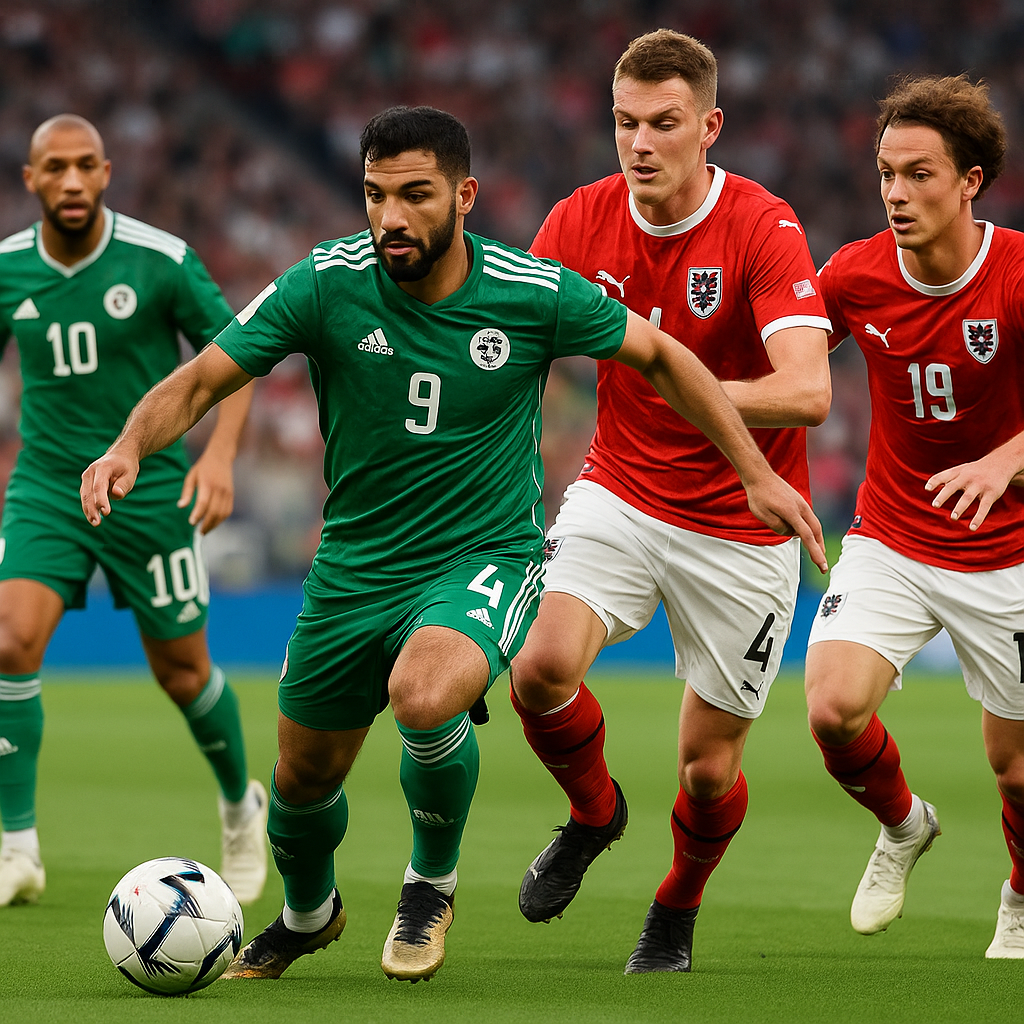
Algeria salvages draw after chaotic offensive clash with Austria
In a pulsating World Cup Group J encounter, Algeria and Austria served up a 3-3 draw that offered more questions than answers about defensive cohesion and tactical discipline. Both teams gained a point, but the match exposed Algeria’s current vulnerability in balancing attacking ambition with structural solidity.
From the outset, Algeria’s approach was committed to forward momentum, prioritizing quick transitions and width to stretch Austria’s defensive block. This strategy enabled them to generate clear chances, reflected in their three goals. However, this offensive zeal came at a notable cost: lapses in positional discipline and moments of reactive defense. Austria exploited these openings, matching Algeria goal for goal and capitalizing on transitional moments where the North African side was caught numerically disadvantaged.
The central tension in this match lay in Algeria’s difficulty to maintain a stable defensive line when advancing. This imbalance led to frequent counterattacks for Austria, who punished Algeria’s retreat speed and situational awareness. The match quickly morphed into a high-wire act, where each team’s scoring bursts followed defensive frailty rather than controlled build-up. Consequently, the midfield battle appeared fragmented, with contested zones neither firmly held nor effectively contested for extended periods.
That matters because, in a tournament setting where goal difference and consistency are pivotal, Algeria’s defensive fragility undermines the potential payout of their attacking talent. A draw keeps Algerian hopes alive but yields only a marginal advantage as Group J becomes increasingly congested, with each point shredded by an equal measure of exposure at the back.
Ultimately, Algeria’s 3-3 result underscores an urgent need for tactical recalibration. Specifically, preserving defensive structure during attacking transitions will be essential if Algeria intends to progress beyond the group stage. Without resolving this fundamental tension, their thrilling offensive output risks falling short of lasting strategic success.