
World Cup
Belgium’s opening match against Egypt in Group G at the FIFA World Cup on June 15, 2026, presents a nuanced

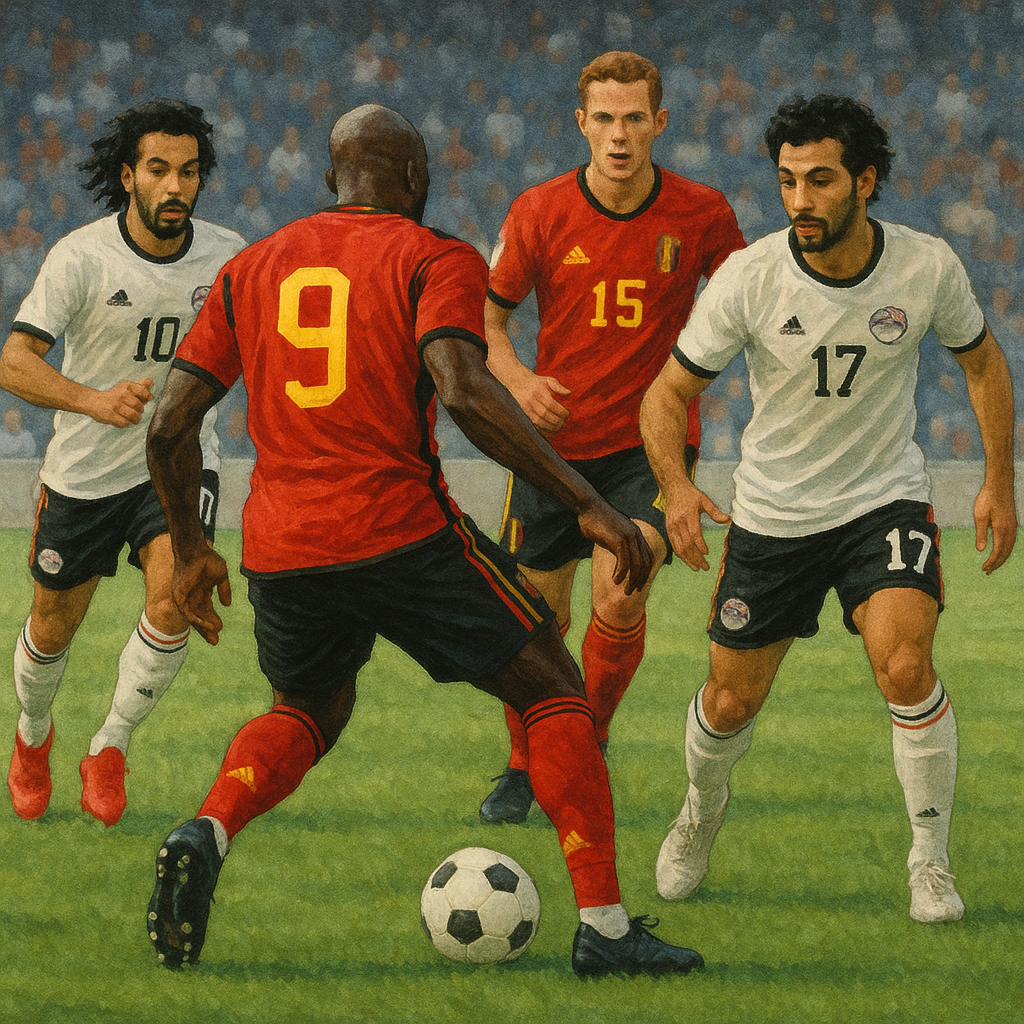
Belgium’s opening match against Egypt in Group G at the FIFA World Cup on June 15, 2026, presents a nuanced tactical challenge that demands close attention to structural discipline and transitional acumen. As one of the tournament’s more scrutinized teams, Belgium enters this fixture with a clear imperative: to assert control early without exposing vulnerabilities that have occasionally surfaced in recent campaigns.
Belgium’s overall tactical identity revolves around a flexible 3-4-3 or a variant of 3-5-2, which enables them to balance offensive width with defensive compactness. Crucial to their success will be how effectively the wing-backs operate. These players are the team’s primary engines in both phases—providing overloads in possession while ensuring rapid recovery runs when possession is lost. Against Egypt, a side known for quick counters and physical resilience, the wing-backs cannot afford to neglect their defensive duties. Failure to maintain a compact defensive block could invite Egypt’s transitional speed and bypass midfield attempts.
Structurally, Belgium must also pay particular attention to control in central midfield. Given Egypt’s typical reliance on direct verticality and quick switches of play, dominating the space between the lines will be essential. Belgium’s midfielders must balance ball retention with rapid progressive passes, limiting Egypt’s ability to isolate their full-backs and exploit wider channels. This demand on midfield transitional balance is arguably the crossroads where Belgium’s tactical execution will be most telling.
On the flip side, Egypt’s defensive discipline and low-block organization have shown resilience, but their attacking transitions tend to rely heavily on rapid breaks, often through wing play and forward runs behind the defensive line. Belgium’s pressing intensity in the midfield and final third can disrupt Egypt’s rhythm and reduce the chances of effective counters. Positioning and timing in Belgium’s front line presses will merit precise calculation—too aggressive, and space opens behind; too passive, and Egypt’s counter-attacks find traction.
In summary, Belgium’s goal should be measured territorial control, maintaining structural integrity in defensive shape while leveraging the strengths of their wing-backs and midfielders to limit Egypt’s counter-attacking avenues. Tactical patience will be key: a sprint to score inevitably exposes fragilities in transition. The balance between controlled aggression and defensive clarity promises to define the opening moments in this Group G encounter, setting the tone for Belgium’s World Cup campaign.