
World Cup
Can Portugal and Uzbekistan Sustain This Start

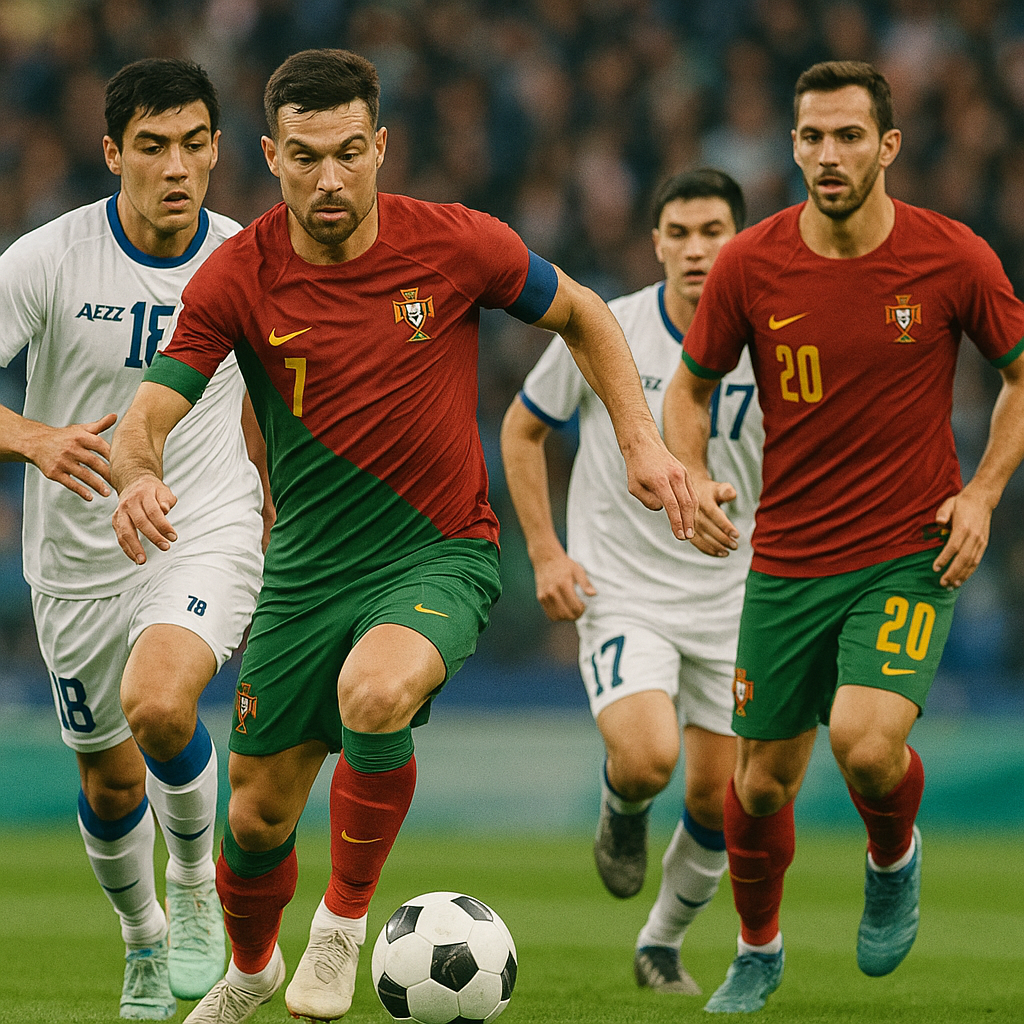
Portugal's tactical depth will test Uzbekistan’s World Cup resolve
The 2026 FIFA World Cup Group K fixture between Portugal and Uzbekistan sets a clear strategic challenge: can Uzbekistan’s structural discipline withstand Portugal’s dynamic transitions and squad quality? This match will hinge on tactical execution rather than moments of individual brilliance alone.
Portugal enters the group stage favored, with a well-established system emphasizing fluid offensive movement and balanced defensive coverage. Their ability to press high while maintaining positional flexibility creates transitional moments that have historically exploited opponents with shallower squad depth. For Uzbekistan, the core question is how effectively they can impose their structure to disrupt Portugal's rhythm. Uzbekistan’s team identity often relies on compact lines and disciplined phases of play, prioritizing defensive organization to limit space in central and wide areas simultaneously.
However, the challenge increases when the match opens up. Portugal’s careful manipulation of possession angles aims to provoke defensive shifts, inviting gaps for incisive forward runs or overlapping fullbacks. Uzbekistan’s midfield must remain alert to these triggers, maintaining balance without overcommitting, as loose positional play around the middle third has previously exposed them to quick turnovers. Moreover, Uzbekistan’s capacity to transition from defense to attack quickly may be constrained by squad depth relative to Portugal’s more versatile bench options. This disparity often manifests in the latter stages of matches when pressure mounts.
Set pieces and isolated one-on-one situations will likely play a secondary but not insignificant role. Portugal’s technical proficiency there can create unstable moments, demanding Uzbekistan’s defenders hold concentration and coordinate tightly.
Ultimately, this fixture offers Uzbekistan a stern but clarifying test of their structural resilience. Their fate depends on disciplined execution through defensive phases, measured engagement in midfield, and efficient, selective forward thrusts. Portugal will look to destabilize this approach through swift tactical shifts and deep squad resources. The match’s outcome likely hinges on which side manages these transitions most coherently under World Cup pressure.