
World Cup
Uruguay’s Group H campaign at the 2026 FIFA World Cup opened with a tepid 1-1 draw against Saudi Arabia, a

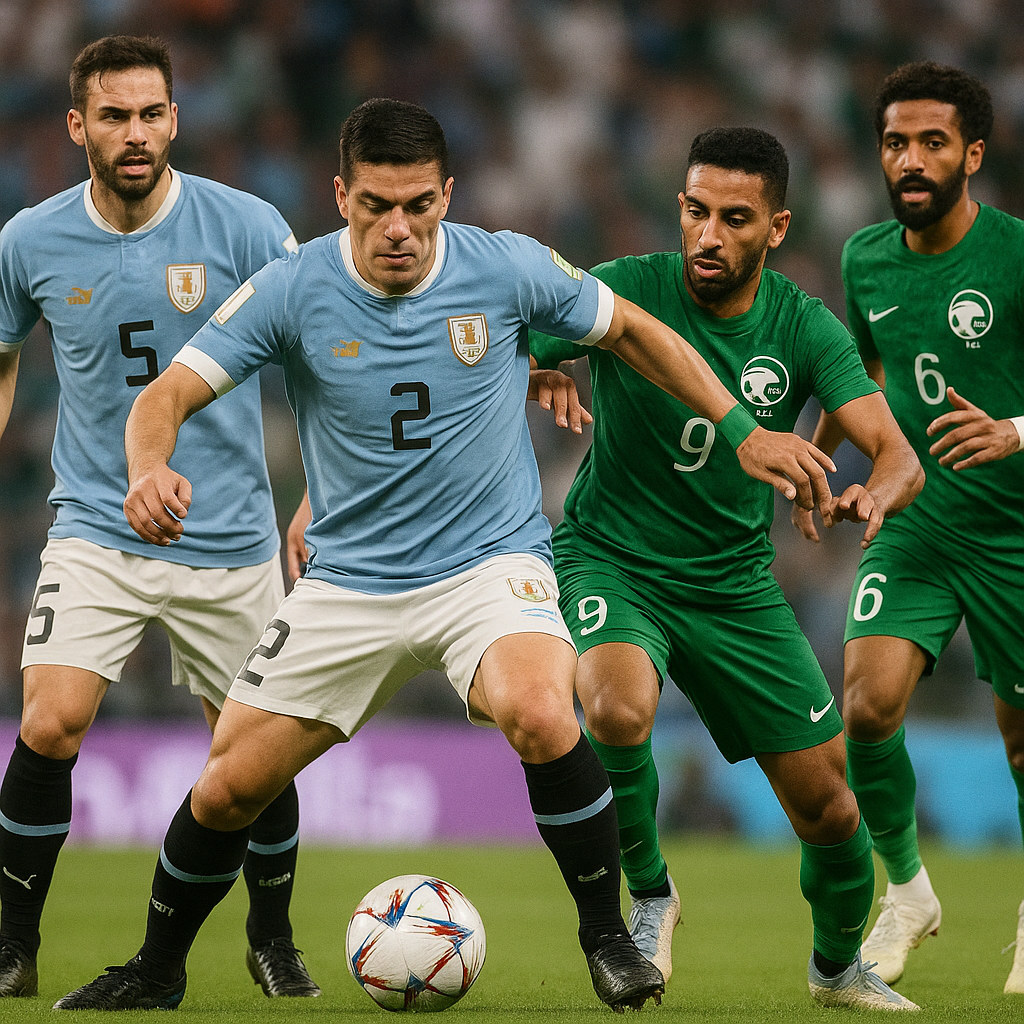
Uruguay’s Group H campaign at the 2026 FIFA World Cup opened with a tepid 1-1 draw against Saudi Arabia, a result that raises more questions than it answers about the team’s current defensive cohesiveness and transitional fluidity.
Tactically, Uruguay approached the match with their signature structural discipline, opting for a conservative setup that emphasized compactness across midfield lines but struggled to impose their rhythm in possession. Saudi Arabia’s ability to exploit transitional moments served as the defining narrative here. The Saudis’ opening goal exposed a momentary lapse in Uruguay’s defensive organization, particularly in how their back line handled quick breaks behind a midfield that, at times, failed to offer adequate cover.
Uruguay’s response to this setback reflected a strong character but lacked incisiveness in final-third execution. The equalizer arrived from a structured build-up phase rather than spontaneous creation, demonstrating that Uruguay’s strength remains in disciplined phases rather than improvisational attack. However, the inability to turn control into a winning margin underlines persistent issues with breaking down blocking defenses and maintaining tempo under pressure.
From a disciplinary perspective, the game remained relatively clean, allowing Uruguay to maintain their typical strategic focus without the disruption of key suspensions or bookings. This is encouraging for a tournament setting where minutes and squad stability are at a premium.
In the context of Group H standings, this result complicates Uruguay’s path forward. Saudi Arabia’s home advantage and physical readiness were evident, and the draw leaves the balance of power in the group fluid. Uruguay must address the vulnerabilities exposed during transitions against the next opponents, as the failure to secure maximum points in the opener compromises their traditionally effective campaign management.
In summary, Uruguay’s draw against Saudi Arabia was a cautious debut marked by defensive fragility at key moments and limited offensive dynamism. The team’s structural traits remain intact but will require sharper tactical adjustments in upcoming fixtures to reassert their status within the group.